What good is the right to vote if the system can’t even confirm who’s casting a ballot? Since the mass expansion of mail-in voting, confidence in our elections has cratered. Millions of Americans — the ones who show up, present their ID, and treat civic duty like it actually matters — have watched as basic safeguards get dismantled under the banner of “access.” Meanwhile, nobody in charge seems terribly interested in answering a simple question: Is every ballot going to an eligible citizen?
And every single time an administration tries to tighten things up, the same tired sequence kicks in. A coalition of Democratic attorneys general races to the courthouse, a sympathetic judge slaps down an injunction, and the reform gasps its last breath before anyone even sees what it looks like in practice. It’s political theater dressed up as constitutional law. But this time, the fight has reached the only doorstep where it might actually get a fair hearing.
From The Post Millennial:
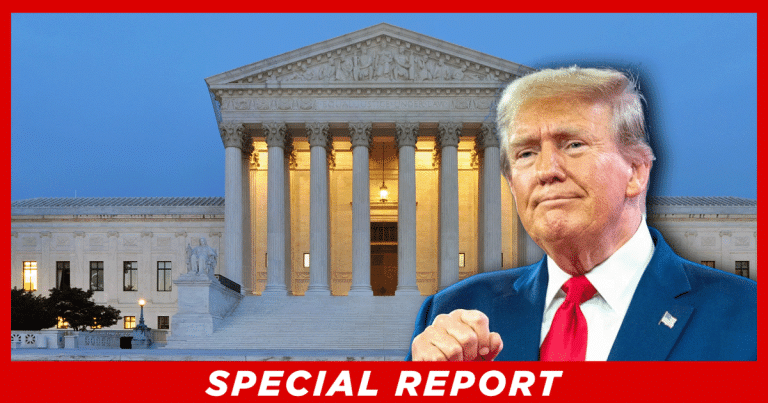
The Trump administration has filed an emergency appeal with the Supreme Court urging the high court to intervene in a legal battle over President Trump’s executive order restricting mail-in voting.
The March executive order titled “Ensuring Citizenship Verification and Integrity in Federal Elections” directed the Department of Homeland Security to compile a list of US citizens who are eligible to vote, and the USPS to create rules that would toughen requirements for states that conduct voting by mail, including not sending ballots to those who have not been identified as eligible US citizens.
So the President issued an order that boils down to this: before we drop a ballot in the mail, let’s confirm the recipient is actually an American citizen eligible to vote. Radical stuff, apparently. Because twenty-three Democrat-led states and the District of Columbia lawyered up to stop it.
The courts’ preemptive strike
The legal timeline here is almost comical. The case landed before U.S. District Judge Indira Talwani in Boston — an Obama appointee, if you hadn’t guessed — who promptly halted implementation ahead of the November midterms. The 1st U.S. Circuit Court of Appeals backed her up over the weekend.
Here’s where it gets genuinely absurd. The agencies responsible for carrying out the order — USPS, DHS, the Social Security Administration — hadn’t even finished deciding how to implement it. They were still deliberating. Solicitor General D. John Sauer drove this point home in the emergency filing, arguing that the injunction “is especially indefensible because the agencies are still deliberating over how (if at all) to implement the Order, yet the district court preemptively decided that whatever the agencies may choose to do will necessarily be unlawful.”
A federal judge blocked executive action before anyone knew what that action would look like. That’s not jurisprudence. That’s a preemptive veto. You genuinely cannot make this up.
The clock is ticking
Sauer’s filing spells out the time pressure in brutal terms. Even if every step the agencies eventually take turns out to be perfectly legal, the injunction bleeds the calendar dry. There simply isn’t enough runway to grind through normal appellate channels and still get voter-roll verification operational before November. The district court effectively ran out the shot clock — and did so deliberately.
The Democratic plaintiffs argue the Constitution reserves election authority for states and Congress, not the president. Fine. But this executive order doesn’t rewrite state election law. It directs federal agencies on how to handle federal mail delivery. The USPS answers to the executive branch. Instructing it to verify eligibility before mailing ballots falls squarely within presidential authority.
A test for the Court
Now it lands at the Supreme Court. The justices need to pay close attention. If a single district judge can neutralize a lawful executive order by stalling until the election window closes, then no president’s directive is safe from judicial sabotage. The precedent would be catastrophic.
Conservative Americans watched this Court’s composition shift to a 6-3 majority and allowed themselves to believe that constitutional principles would hold when the pressure mounted. Well, the pressure is here. The question before the justices isn’t some tangled legal riddle. It’s straightforward: Should we verify that people receiving mail-in ballots are actually eligible American citizens?
Every citizen who has ever stood in line, shown identification, and cast a legal vote deserves a clear answer. And it ought to be the simplest decision the Supreme Court hands down all year. No excuses.
Key Takeaways
- Trump’s emergency SCOTUS appeal demands voter eligibility verification before mailing ballots.
- An Obama-appointed judge blocked the order before agencies even finalized their plans.
- The injunction deliberately runs out the clock, preventing implementation before November.
- The Supreme Court must intervene now or greenlight unchecked judicial overreach.
Sources: The Post Millennial, PBS News