For generations, American artists have poured their hearts, souls, and countless hours into perfecting their craft. Painters, sculptors, photographers, and creators of all kinds have built careers through talent cultivated over years of dedication and sacrifice. Now, in an age where artificial intelligence can generate images in seconds, these hardworking Americans face an uncomfortable question: Will machines be allowed to claim the same legal protections as human beings?
Call me old-fashioned, but I always thought the answer was obvious. And thankfully, our courts agree. The ruling that just came down should bring relief to every American who values authentic human achievement over algorithmic shortcuts.
From The Post Millennial:
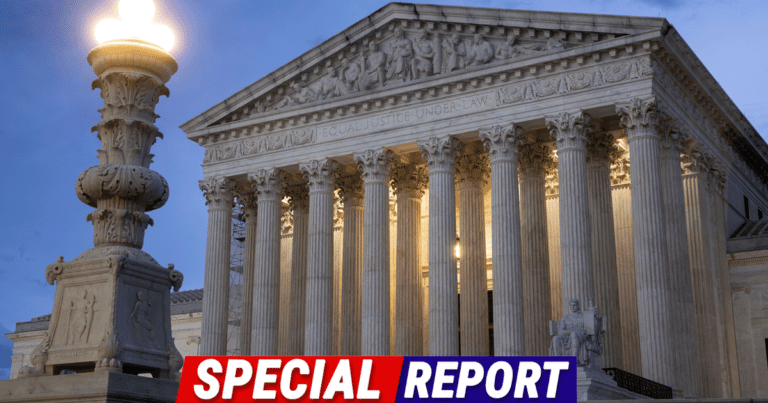
The Supreme Court has declined to hear a case regarding the copyright eligibility of AI-generated art, leaving in place a lower court’s ruling that stated such works cannot be given copyrights under US law.
The case had been brought forth to the US Supreme Court by Stephen Thaler, who had filed an application to register a piece titled “A Recent Entrance to Paradise,” with the Copyright Office, which was created by his AI technology “Creative Machine.” The work, he claimed, “would undoubtedly qualify for copyright protection had it been made directly and solely by Dr. Thaler without any computer assistance.”
The Supreme Court recently declined to hear an appeal from Stephen Thaler, who had sought copyright protection for a piece titled “A Recent Entrance to Paradise,” created entirely by his AI system called “Creativity Machine.” Thaler argued that the work “would undoubtedly qualify for copyright protection had it been made directly and solely by Dr. Thaler without any computer assistance.” The Copyright Office disagreed, and every court that reviewed the case upheld that decision.
Now here’s where it gets interesting. Thaler’s petition made some truly remarkable claims—and I’m being generous with that description. He argued that “nonhuman authors such as corporations” have been recognized “without controversy for over a century.” He even accused the Copyright Office of being “deeply hostile to the use of technology.” Yes, you read that right. The man who wants his computer to own artwork thinks the government is the unreasonable one here. Fortunately, the courts saw through these arguments, recognizing them for what they were: an attempt to rewrite settled law through judicial activism rather than the legislative process.
Protecting Real Artists From Digital Fraud
This ruling matters far beyond legal technicalities—and if you know any working artists, you understand why. It draws a clear line that protects American creators from having their livelihoods undermined by those who would flood the market with machine-generated content claiming equal legal standing.
Think about it: without this protection, what would stop bad actors from using AI to mass-produce thousands of “artworks” and claiming ownership rights that real creators spent lifetimes earning? The answer is nothing. And that’s exactly the kind of scheme this ruling prevents.
The Copyright Office made its position crystal clear in a 2025 memo stating that “Copyright does not extend to purely AI-generated material, or material where there is insufficient human control over the expressive elements.” This isn’t hostility toward technology, despite what the tech cheerleaders might tell you. It’s common sense protection for the men and women who actually create things with their own hands and minds.
A Victory for the Rule of Law
What makes this outcome particularly satisfying—refreshing, even—is how it was achieved. The DC District Court, the DC Circuit Court of Appeals, and now effectively the Supreme Court all reached the same conclusion by doing something we don’t see often enough these days: reading the law as written.
The Copyright Act of 1976 requires human authorship. No creative reinterpretation needed. No activist judges required. Just straightforward application of what Congress actually passed. Imagine that.
As AI technology continues advancing, Americans should remain vigilant about protecting the standards that make genuine creativity valuable. The tech industry will keep pushing, and there will be more Stephen Thalers trying to blur the lines between human achievement and machine output. But for now, we can take comfort knowing our legal system got this one right. Human creativity still means something in America, and the crooks and corner-cutters will have to find another way to game the system.
Key Takeaways
- The Supreme Court let stand a ruling that AI-generated art cannot receive copyright protection under U.S. law.
- The Copyright Act of 1976 requires human authorship—courts properly applied the law as written.
- This decision protects real American artists from fraudsters flooding markets with machine-generated content.
- The ruling affirms that authentic human creativity, not algorithmic shortcuts, deserves legal recognition.
Sources: The Post Millennial