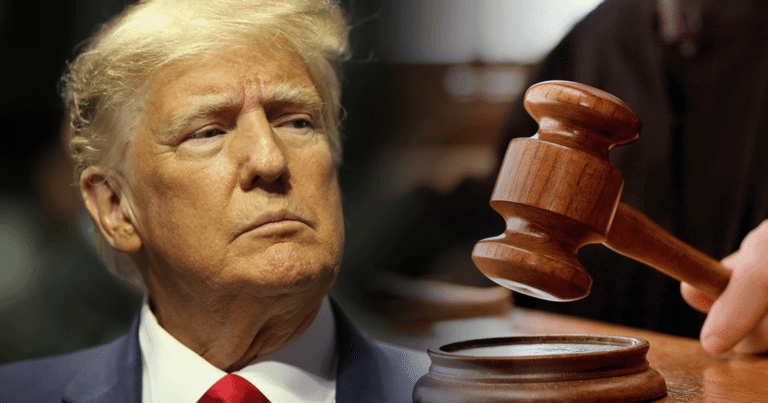
For years, American citizens have watched federal courts block immigration enforcement at every turn. Activist judges—often appointed by Democratic presidents—have treated our border like some abstract concept rather than an actual sovereign boundary. Each injunction, each temporary restraining order, each ruling that prioritizes procedural games over public safety has deepened the frustration. And honestly? Most conservatives stopped expecting fair treatment from the bench a long time ago.
The Trump administration has faced relentless legal opposition, particularly when attempting to end programs that were never designed to last forever. Temporary Protected Status (and I cannot stress the word temporary enough) has morphed into yet another example of Washington’s favorite trick: transforming short-term humanitarian measures into indefinite residency programs. When Homeland Security Secretary Kristi Noem moved to terminate TPS protections for migrants whose original emergencies occurred decades ago, nobody anticipated what came next.
From Attorney General Pam Bondi:
“This is a crucial legal win from Justice Department attorneys that helps clear the way for President Trump’s continued deportations. As the court found, ‘the government is likely to prevail in its argument’ that ending Temporary Protected Status for some immigrants is sound and lawful policy. We are proud to represent the Trump Administration in court every day.”
A Victory From an Unlikely Source
Here’s where this story gets interesting. The court that delivered this win? The San Francisco-based Ninth Circuit Court of Appeals. I’ll give you a moment with that one.
The Ninth Circuit—the same appellate court conservatives have rightly criticized for decades as ground zero for judicial activism—looked at Secretary Noem’s decision and determined it “was not arbitrary or capricious.” This is the legal equivalent of your most stubborn relative finally admitting you were right all along.
The ruling directly impacts more than 61,000 immigrants from Honduras, Nicaragua, and Nepal. We’re talking about 51,000 Hondurans, 7,200 Nepalese, and 2,900 Nicaraguans who had been residing here under TPS protections. Monday’s decision freezes a lower court ruling from Biden-appointed Judge Trina Thompson, who blocked the administration’s actions last July. Her reasoning? She claimed the decision appeared “racially motivated.” The Ninth Circuit apparently disagreed.
Temporary Actually Means Temporary
The legal reasoning here should encourage anyone who believes words still carry meaning in our legal system. The Hondurans and Nicaraguans received protection after a hurricane struck in 1999. That’s more than 26 years ago. The Nepalese gained their status following a 2015 earthquake. Secretary Noem made a straightforward argument: the original grounds for temporary protection simply no longer exist. The emergencies ended. The program should, too.
Revolutionary thinking, apparently.
The appeals court panel included two Republican appointees and one Clinton appointee. They noted something crucial—Congress specifically restricted judicial review of TPS decisions. The executive branch has authority here. Noem wasn’t required to evaluate “intervening country conditions” before determining that the original emergencies had concluded. Even the Clinton appointee agreed, relying entirely on Supreme Court precedent supporting the administration’s position.
The Department of Homeland Security maintained from the start that these designations were designed to be temporary. The court validated that position. When a program intended to last six to eighteen months stretches across multiple decades, we’ve wandered far from the original intent. That’s not humanitarianism. That’s bureaucratic drift.
A Signal for Future Enforcement
This ruling matters beyond the 61,000 individuals directly affected. When the Ninth Circuit acknowledges executive authority over immigration law, lower courts nationwide receive a clear message. The era of reflexive judicial obstruction may finally be waning.
Americans have grown weary of watching temporary measures calcify into permanent fixtures. Emergency programs have a habit of becoming entitlements around here. The plain language of statutes gets twisted until it’s unrecognizable. This decision offers something different—a reminder that the Constitution still carries weight, that elections produce actual consequences, and that even courts notorious for activism must eventually recognize lawful authority. The administration’s legal strategy is producing results. Those who believe in secure borders and honest governance have a genuine reason for optimism.
Key Takeaways
- The Ninth Circuit allowed the Trump administration to end TPS protections for 61,000 migrants from three countries.
- Temporary Protected Status granted after a 1999 hurricane was never intended to last 27 years.
- Even historically liberal courts must acknowledge lawful executive action on immigration.
- This ruling signals growing judicial support for the administration’s deportation efforts.
Sources: Just The News, San Francisco Chronicle